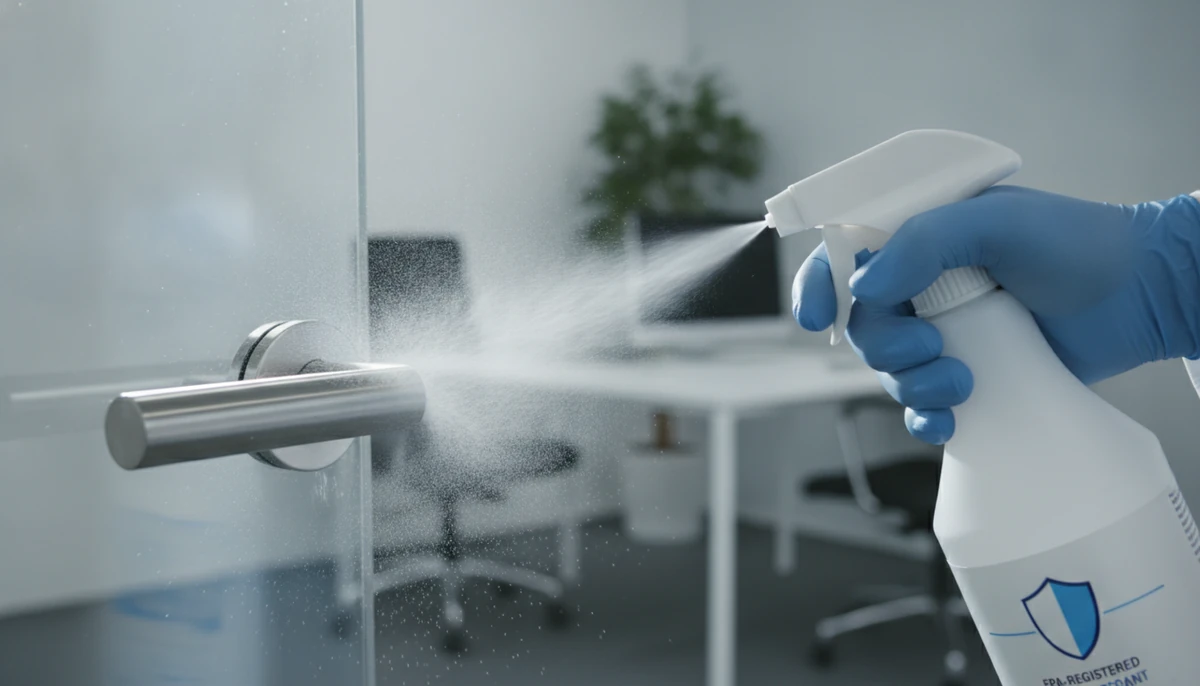
There is no single right answer to how often an office should be cleaned, and any guide that gives you one number is oversimplifying. A busy 40-person office that sees clients all day has very different needs from a quiet, half-remote team, and even within one office, the restrooms and a rarely used storage room should not share a schedule. The right approach is a framework, not a fixed number
Below is a clear way to decide, based on two things that actually matter: how much traffic your space sees and how much risk it carries. Pair that with zone-based scheduling and you get a plan that keeps your office genuinely clean without paying for cleaning you do not need. When you want it tailored to your building, our team can help you build a janitorial plan around it.
The Short Answer
Most offices land somewhere between daily and weekly professional cleaning. Where you fall comes down to two variables. The first is traffic: how many people are in the space and how many visitors come through. The second is risk: how sensitive the environment is, including health considerations, client-facing areas, and industry requirements. The higher the traffic and risk, the more often you should clean, and the more that certain areas need daily attention no matter what.
Office Cleaning Frequency by Traffic and Risk
Use this framework to find your baseline cadence, then adjust by zone in the next section.
| Office Profile | How Often to Clean | Best Approach |
| High traffic, large team, client-facing, or health-sensitive | Daily | Nightly janitorial plus a day porter for restrooms and common areas |
| Moderate traffic, mid-size team | 2 to 3 times per week | Scheduled janitorial visits with high-touch areas maintained between |
| Low traffic, small or hybrid team | Weekly | Weekly professional cleaning plus attention to restrooms and high-touch spots |
Whatever your overall cadence, a few areas should never wait for the weekly visit. That is where zone-based scheduling comes in.
Zone-Based Scheduling: Not Every Area Needs the Same
The smartest office cleaning plans do not clean everything at the same rate. They match frequency to how heavily each area is used. This is also what public health guidance points to: the CDC advises cleaning high-touch surfaces regularly and other surfaces when they are visibly dirty. Applied to an office, that looks like this:
- Daily: restrooms, break rooms and kitchens, high-touch surfaces like door handles and light switches, entrances and lobbies, and trash removal.
- Two to three times a week: common areas, conference rooms, floor vacuuming and mopping, and desks in busier offices.
- Weekly: private offices, general dusting, low-traffic areas, interior glass, and baseboards.
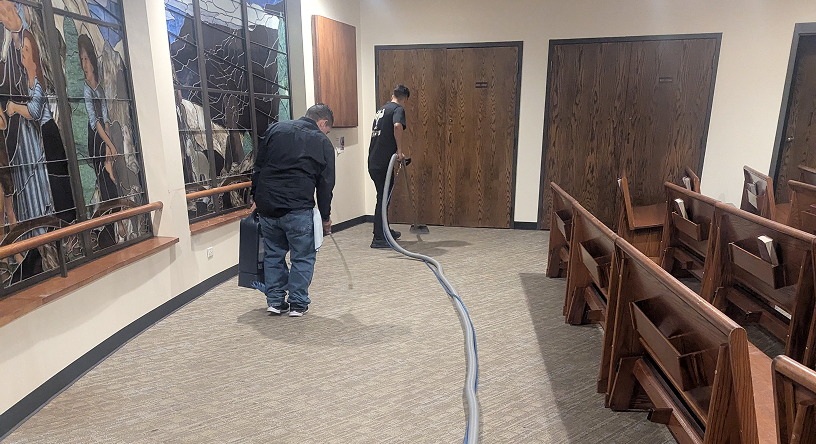
- Monthly to quarterly: carpet deep cleaning, window cleaning, floor refinishing, high dusting, and vents.
Zoning your office this way means your most-used and highest-risk areas stay consistently clean, while you avoid over-cleaning the spaces that do not need it. It is the difference between a schedule built for your office and a generic package.
What Determines Your Office’s Ideal Frequency
A handful of factors push your schedule toward the higher or lower end of the framework:
- Headcount and foot traffic. More people and more visitors mean faster buildup of dirt, germs, and wear.
- Industry and compliance. Medical, dental, childcare, and food-related offices carry stricter standards and usually need daily, more rigorous cleaning.
- Client-facing image. If prospects and partners regularly visit, your space is part of your reputation and deserves a higher cadence.
- Shared versus private space. Open-plan offices and shared equipment spread germs faster than private, low-traffic rooms.
- Hybrid schedules. If your team is only in a few days a week, you may be able to concentrate cleaning around your busiest days.
- Air quality and allergies. Regular dusting, vacuuming, and floor care make a real difference for staff comfort and indoor air.
Day Cleaning vs. Night Cleaning
Frequency is only half the plan. When the cleaning happens matters too. Day porter and day janitorial service keeps high-traffic areas presentable during business hours, restocking restrooms, handling spills, and keeping lobbies sharp while your team works. Night janitorial service handles the thorough, uninterrupted clean after everyone leaves. Many offices combine the two: a deep clean at night, with a day porter keeping the busiest areas fresh through the day.
Why Consistent Cleaning Is Worth It
Cleaning on the right schedule is about far more than appearances. Consistent professional cleaning reduces the spread of germs that drive sick days, keeps indoor air healthier, protects your carpets and floors so they last longer, and makes a strong first impression on everyone who walks in. It also signals to your own team that their workspace is cared for, which matters more for morale than most people expect.
How to Build Your Office’s Cleaning Schedule
- Putting it together is straightforward:
- Map your office into zones by how heavily each area is used
- Set a frequency for each zone, keeping restrooms and high-touch areas daily
- Match your overall cadence to your traffic and risk level
- Decide whether day cleaning, night cleaning, or both fits your operation
- Have a professional walk the space and tailor the plan to your building
That last step is where a good provider earns its keep. Rather than sell you a one-size-fits-all package, we assess your facility and build a plan around it. You can request a custom cleaning plan whenever you are ready, or explore our full range of commercial cleaning services.
Frequently Asked Questions
How often should an office be cleaned?
Most offices should be professionally cleaned somewhere between daily and weekly, depending on foot traffic, team size, and industry. Regardless of the overall cadence, high-touch areas and restrooms should be cleaned daily.
How often should office restrooms be cleaned?
For most offices, restrooms should be cleaned and restocked daily at a minimum, and more often in high-traffic buildings. A day porter is a common way to keep them fresh throughout business hours.
Should a small office be cleaned daily or weekly?
A small, low-traffic office often does well with weekly professional cleaning, paired with daily attention to restrooms and high-touch surfaces. The key is not overall size but how heavily each area is used.
How often should office carpets be professionally cleaned?
Beyond regular vacuuming, commercial carpets typically benefit from a professional deep cleaning every few months to once a year, depending on traffic. Busy, client-facing offices tend toward the more frequent end.
Is day or night cleaning better for an office?
It depends on your operation. Night cleaning allows a thorough, undisrupted clean, while a day porter keeps high-traffic areas presentable during business hours. Many offices use both for the best of each.
Get a Cleaning Schedule Built for Your Office
The right frequency is the one matched to your traffic, your zones, and your industry. If you would like a schedule built specifically for your Denver office, get in touch and our team will walk your space and put together a plan that fits.